Top Guidelines Of Website Malware Protection
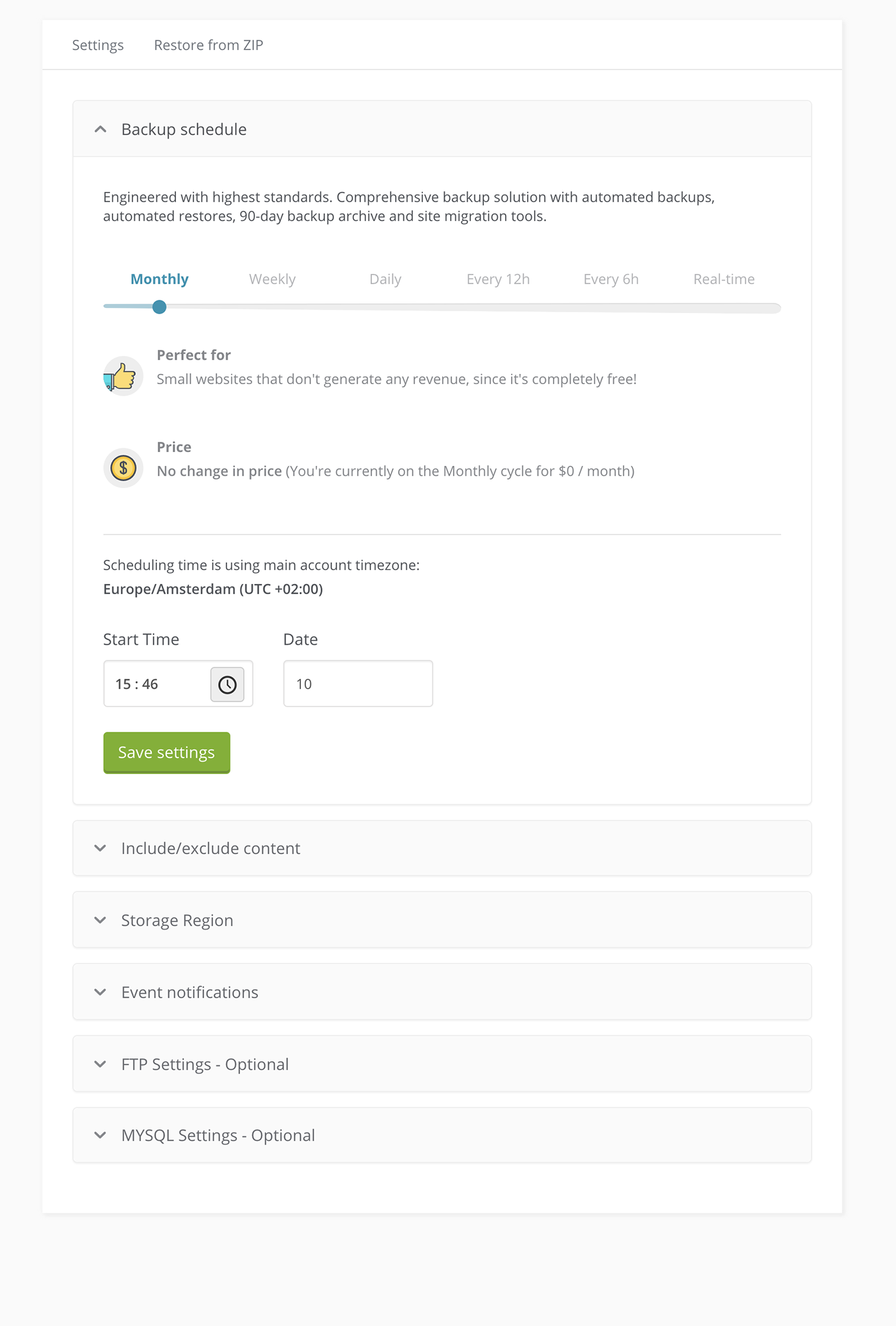
That said, this approach does count on you having a clean backup to work from. If you do not, your job will be a little more difficult, but there are still methods to repair a hacked Word Press site without a backup. Together With Go Daddy's backup service, the Updraft Plus plugin is an useful alternative to help secure your read more website.
These 4 tips will assist you support your site moving forward: Back your site up routinely. If you don't currently do so, ensure you back up your website often. Go Daddy's easy Updraft Plus is also a popular and complimentary service that's simple to utilize. Choose an ideal host.
While shared hosting is in some http://query.nytimes.com/search/sitesearch/?action=click&contentCollection®ion=TopBar&WT.nav=searchWidget&module=SearchSubmit&pgtype=Homepage#/protect your webiste from malware cases seen as less protected due to the variety of websites on each server, committed handled Word Press options work around that issue. Update your account passwords. This need to be a standard action after any attack, as your login qualifications may have been compromised. Picking a strong password is pretty simple, and while Word Press does consist of a dedicated password generator, there are a lot of other helpful tools online.
How Malware can Save You Time, Stress, and Money.
This is another no-brainer, as these plugins can cover a variety of security bases. There are many solutions offered, although Wordfence Security is a leading competitor that will check for malware. Lastly, be selective when it pertains to what you install on your website. Plugin Directory respectively), or credible style developers, such as Studio Press and Elegant Themes.
Taking the required actions to secure your site and swipe away malware for good is well within your grasp. This https://www.washingtonpost.com/newssearch/?query=protect your webiste from malware post has actually used a guide on hacker attacks, and discussed what is malware and how to keep your site safe. At this point, you must be well on your method to keeping the "baddies" at arm's length-- although be gotten ready for a constant fight on that front!.
As a website owner, exists anything more terrifying than the thought of seeing all of your work modified or completely wiped out by a dubious hacker? We see information breaches and hacks in the news all the time. And you may believe, why would someone come after my small company website? But hacks don't simply happen to the huge guys.
The Ultimate Guide To Website Malware Protection
You've worked hard on your site (and your brand name)-- so it is necessary to make the effort to secure it with these basic hacker defense tips. best Word Press hosting" data-medium-file=" data-large-file=" src=" alt="best Word Press hosting" class="wp-image-18313" srcset=" 470w, 300w" sizes="(max-width: 470px) 100vw, 470px"> You might have worried when beginning this post that it would have lots of technical jargon that your typical website owner would discover confusing.
However there are a few things you can do on your own first that do not include that much technical know-how. If you constructed your site with a boost your website security with plugins that actively prevent website hacking efforts. Each of the main CMS options have security plugins readily available, a lot of them free of charge.
In addition, all sites-- whether you're running a CMS-managed site or HTML pages-- can gain from thinking about Site Lock. Website Lock exceeds and beyond simply closing website security loopholes by offering day-to-day monitoring for everything from malware detection to vulnerability recognition to active infection scanning and more.
The 9-Second Trick For Website Malware Protection
Note: Our Managed Word Press hosting strategy has Site Lock built in, together with other functions to help secure your website. As a customer, you might already know to constantly search for the green lock image and https in your web browser bar at any time you provide delicate info to a website.
An SSL certificate is very important since it protects the transfer of details-- such as credit cards, individual information, and contact information-- in between your site and the server. While an SSL certificate has constantly been necessary for ecommerce websites, having one has actually just recently ended up being essential for all websites. In July 2018, Google Chrome released a security update that informs site visitors if your site does not have an SSL certificate set up.
Browse engines are taking site security more seriously than ever since they want users to have a positive and safe experience searching the web. Taking the dedication to security further, a search engine might rank your website lower in search results page if you do not have an SSL certificate. What does that mean for you? If you want individuals to trust your brand, you need to invest in an SSL certificate.
Not known Details About Website Malware Protection
At Host Gator, we likewise take website security seriously, but most significantly, we desire to make it easy for you to be secure. All Host Gator web hosting packages come with a totally free SSL certificate. The SSL certificate will be immediately used to your account, however you do need to take a few actions to set up the free SSL certificate on your site.
The leading reason for website infections is vulnerabilities in a content management system's extensible parts. Because much of these tools are developed as open-source software programs, their code is easily accessible-- to both good-intentioned developers as well as harmful hackers. Hackers can pore over this code, trying to find security vulnerabilities that permit them to take control of your site by making use of any platform or script weaknesses.
If you're running a site built on Word Press, you can inspect whether you depend on date rapidly when logging into your Word Press dashboard. Try to find the upgrade icon in the top left corner next to your website name. Click the number to access your Word Press Updates. This one seems simple, however it's so crucial.
The Best Strategy To Use For Malware
That's why the # 1 most typical password is still 123456. You need to do much better than that-- a lot better than that to avoid login efforts from hackers and other outsiders. Make the effort to figure out a truly protected password (or use Host Gator's password generator).
Use a mix of unique characters, numbers, and letters. And avoid potentially easy-to-guess keywords like your birthday or kid's name. If a hacker somehow gets to other info about you, they'll know to think those very first. Holding yourself to a high requirement for password security is step one.
One weak password within your group can make your website susceptible to a data breach, so set expectations with everyone who has gain landenfaro269.lucialpiazzale.com/website-malware-protection-challenging-ideas access to. Institute requirements for all site users in regards to length and types of characters. If your workers desire to utilize simple passwords for their less safe accounts, that's their company.
Not known Incorrect Statements About Web Security
Even if you do everything else on this list, you still deal with some danger. The worst-case situation of a site hack is to lose everything since you forgot to back your site up. The finest way to safeguard yourself is to ensure you always have a current backup. While a data breach will be stressful no matter what, when you have an existing backup, recovering is much easier.